YDS Class System Explained
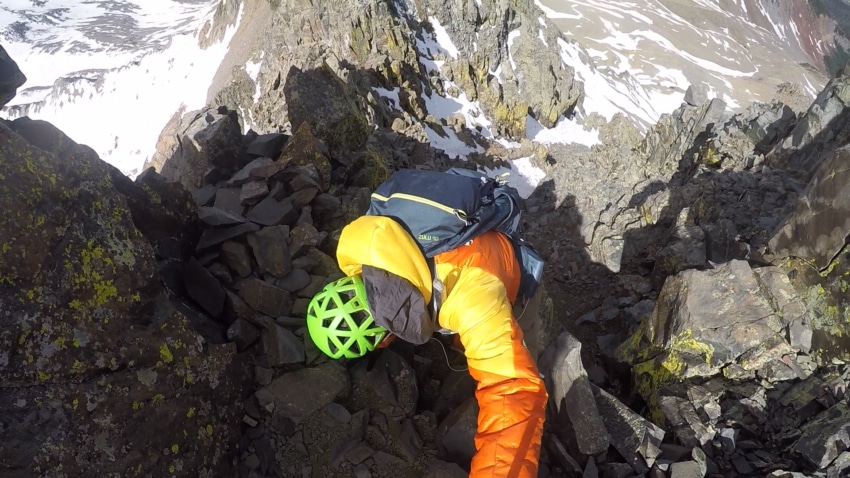
Let’s talk about about the Yosemite Decimal System also known as YDS. It was developed in the 1950’s by members of the Sierra Club, used to describe local hikes. Over the years, YDS has become a widespread system throughout North America to categorize the technical difficulty of hikes. Although it is widely used, there is a lot of nuance to the system based on the individual who is “grading” the hike.
Its key to understand that, for many hikes, the hardest move encountered on the hike dictates the grade for the whole trail. IE -if there is one required Class 4 move, the entire hike is then graded Class 4. This is key to be aware of becuase said hike COULD in theory be all Class 1 besides that 1 move.
Ok – why do you need to know any of this? Well, chances are you have read my hikes and seen that each one has a Class tied to it. This is very helpful when picking out a hike you are not familiar with. Of course, distance and elevation gain are helpful dictators as to how difficult a hike might be, but equally so is the Class tied to it. Its important to note that exposure is different than class. Sure, generally a Class 3 or Class 4 hike will have some exposure but it is very possible for a Class 1 or Class 2 hike to have some exposure as well. Exposure is also realtive to the individual as we all have different tolerance to heights. Can you see how this all leaves some room for error?
Here is a brief description and example of Class 1 through Class 5 hikes, scrambles and climbs:
Class 1: Class 1 is essentially walking. Have you been on a dirt trail before? Cool, you have hiked Class 1. Class 1 hikes do not require any sort of special gear or frankly, footwear (in most cases).
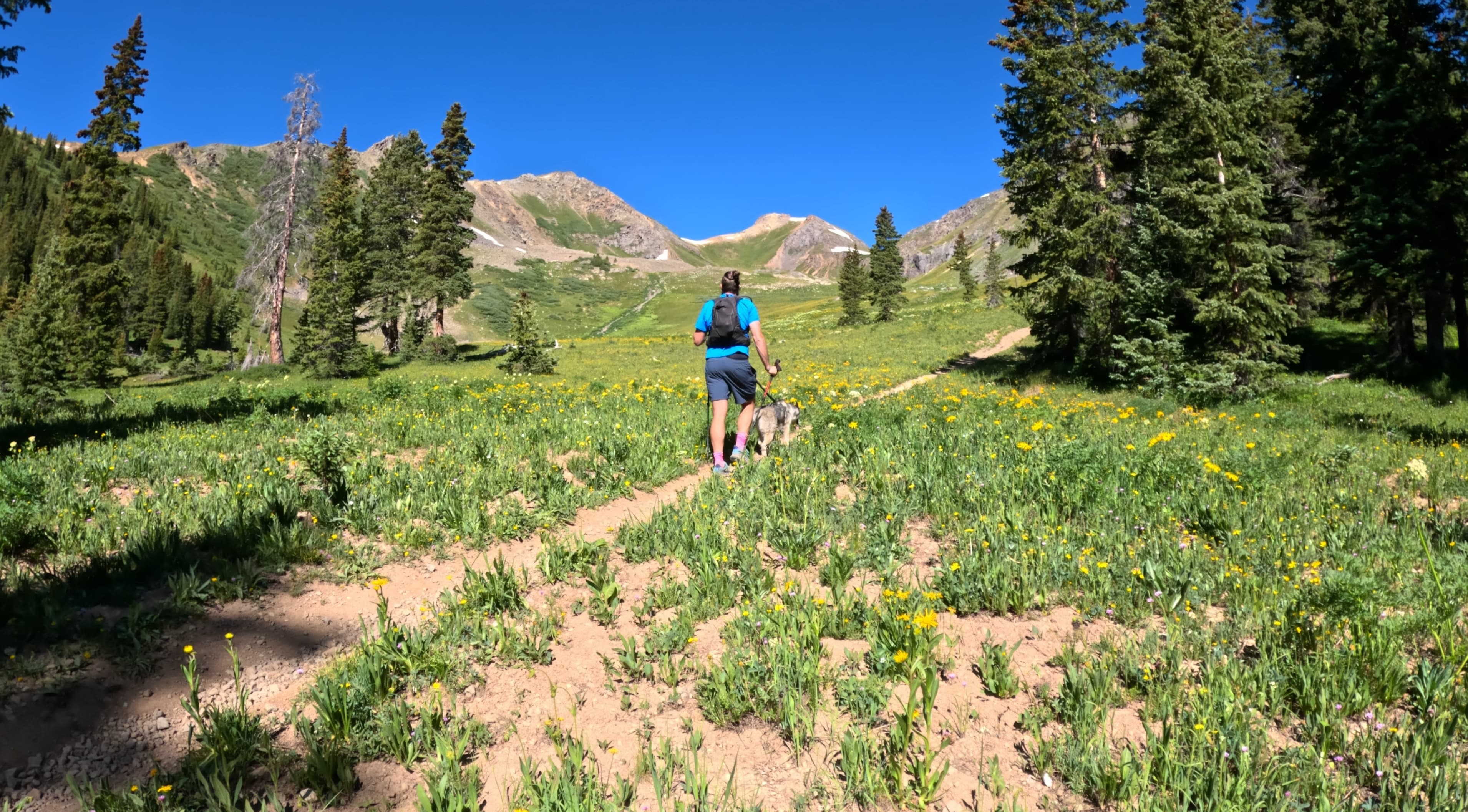
Class 2: Class 2 hiking is very similar to Class 1, but sometimes involves small rock scrambles and an occasional use of your hands while on the hike. Class 2 terrain can be things like boulder fields, loose scree or small scrambles.
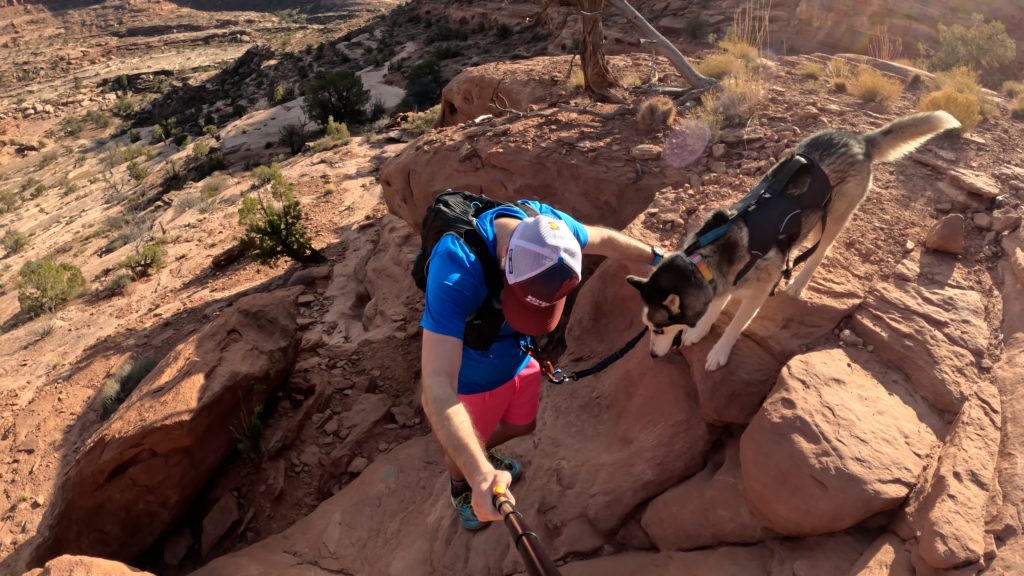
Class 3: Class 3 hikes enter into scrambling territory. Scrambling is when your hand and feet are engaged in the terrain, often at the same time. Class 3 hikes generally have some exposure tied to them but not always. Class 3 hikes generally have some more danger associated with them as a fall could result in serious injury.
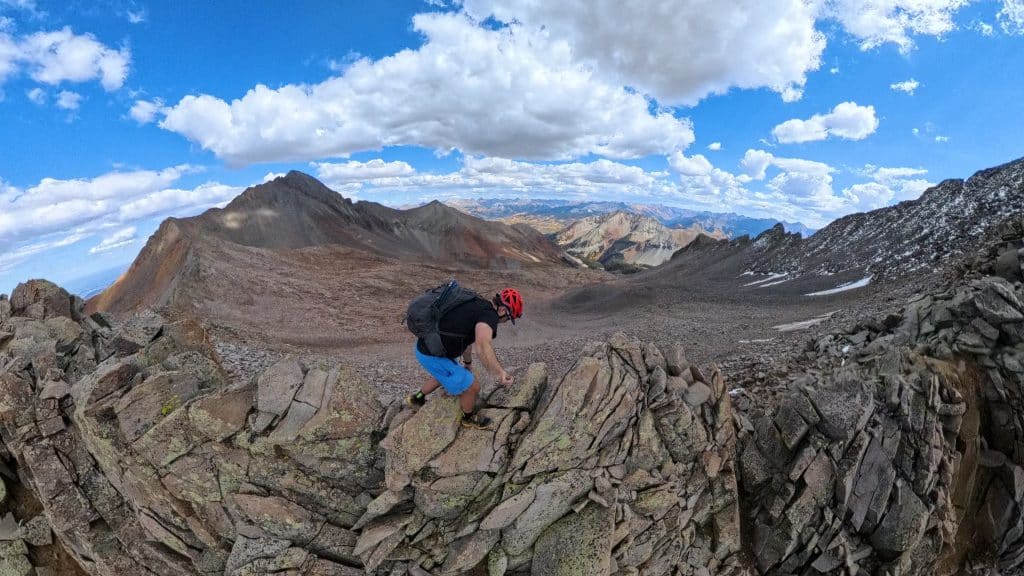
Class 4: Class 4 hiking is essentially Class 3 but in a more vertical setting. For most Class 4 terrain, its a lower grade of rock climbing. Class 4 hikes involve the use of hands and feet on a surface where a fall would result in a serious injury or death. Class 4 terrain is often highly exposed adding to the mental difficulty of the terrain. A rope is somtimes carried in Class 4 terrain but that is only in rare occassions.

Class 5: Anything in Class 5 is considered rock climbing, if you have ever climbed using a rope (or without one) you are probably aware of this. Hikes that are Class 5 are almost always very exposed and involve vertical climbing. The key differential between low Class 5 and high Class 4 terrain is getting down the terrain. Class 5 terrain is often very hard to downclimb and requires a rappel.

Class 5 has sub ratings within (5.1, 5.2., 5.3, 5.4, 5.5, 5.6, 5.7, 5.8. 5.9) I won’t get into specifics since this site doesn’t focus on rock climbing, but anything after 5.9 gets broken down into a more specific rating (5.10a, 5.13d etc.) Class 5 climbs are the most technical hike you can do, but do not always require a rope. This ultimatley comes down to the individual, their experience and the terrain itself.
Let’s talk about a term I used in a few of the descriptions above: exposure. Exposure doesn’t mean taking off clothes to show an innocent bystander. Exposure under the YDS system means the amount of open space behind you when hiking. In other words, if you are hiking on a vertical wall, you are generally pretty exposed because there are no natural features around you and a fall would result in a serious injury. Something that is less exposed has more natural elements (trees, rocks, etc.) around you that would break your fall if that were to happen. A class 5 exposed hike means that you are essentially hiking on a rock face with nothing else around you. Although a factor of Class, exposure does not always dictate the class of a hike.
Two very important things to keep in mind:
- The YDS Class system is somewhat relative to your experience and skill level, especially when you get in the Class 3 / 4 range. If you have a ton of experience, Class 3 might feel like Class 2 but if you lack experience Class 4 might feel like Class 5.
- The entire hike is graded off the hardest Class that it has. For example, the Crestone Traverse has one Class 5 move, but the entire hike is graded as Class 5. This is important to keep in mind when choosing a hike, because something might appear very difficult but only have one small section that makes it that way.
- This entire Class system is extremely subjective and nuanced – ultimately, you will gain a better feel of what Class 2, 3, 4 and 5 is based on more experience in the mountains.
Hopefully this helps you on your next adventure! Questions or comments, leave them below.
40 thoughts on “YDS Class System Explained”